Après l'Union After the Union
Portraits d'Asie centrale Central Asian Portraits
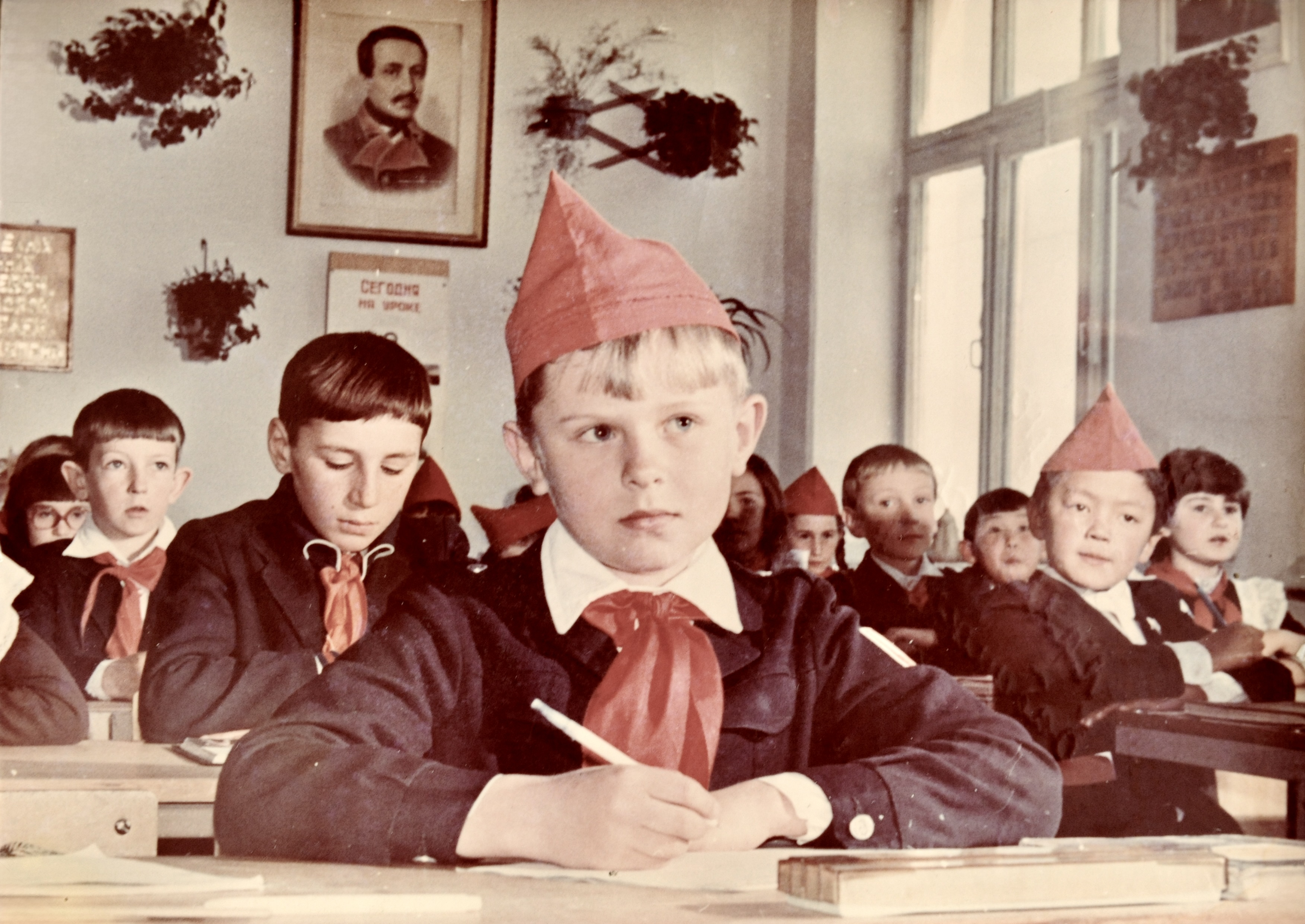
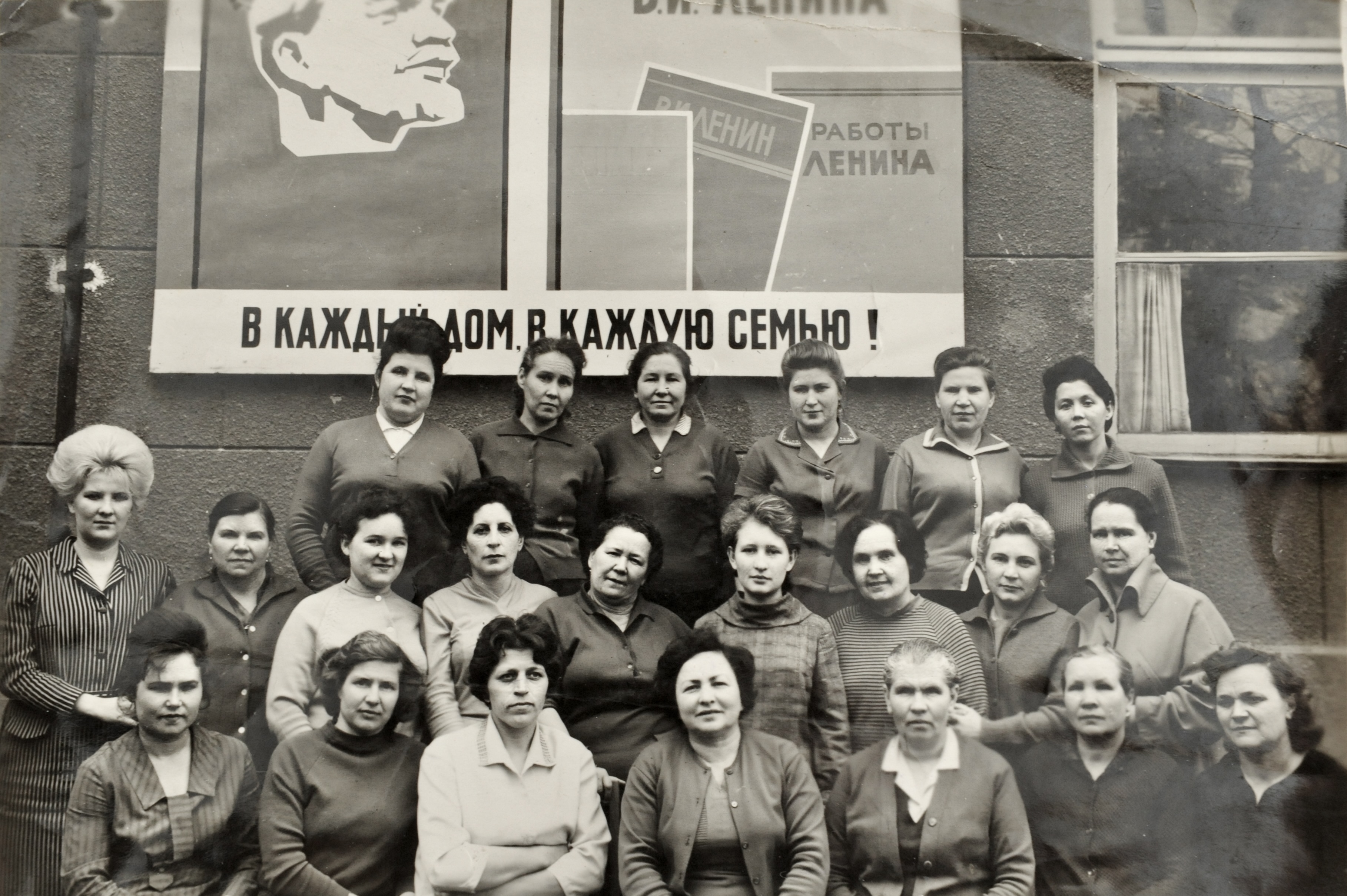
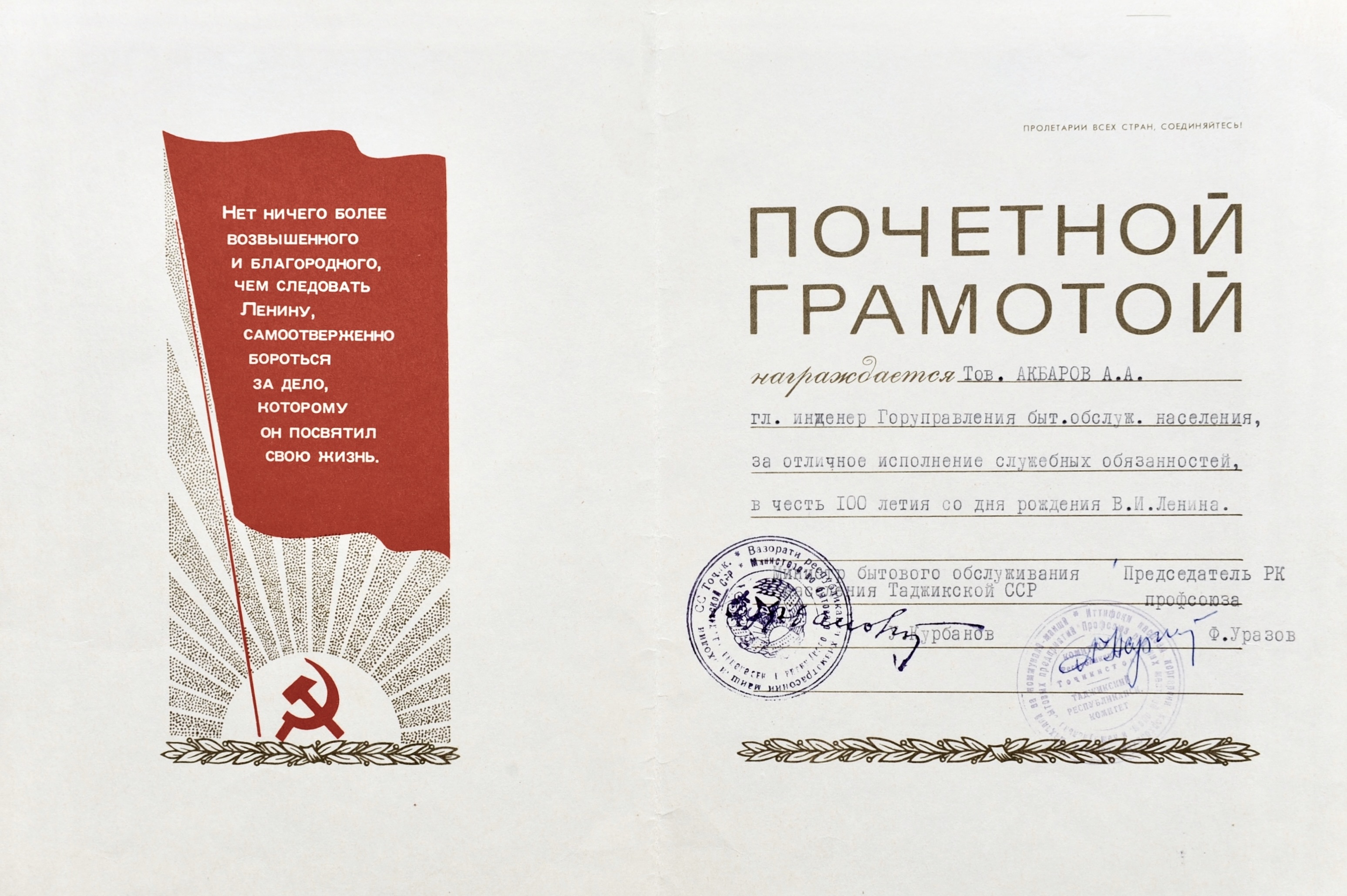
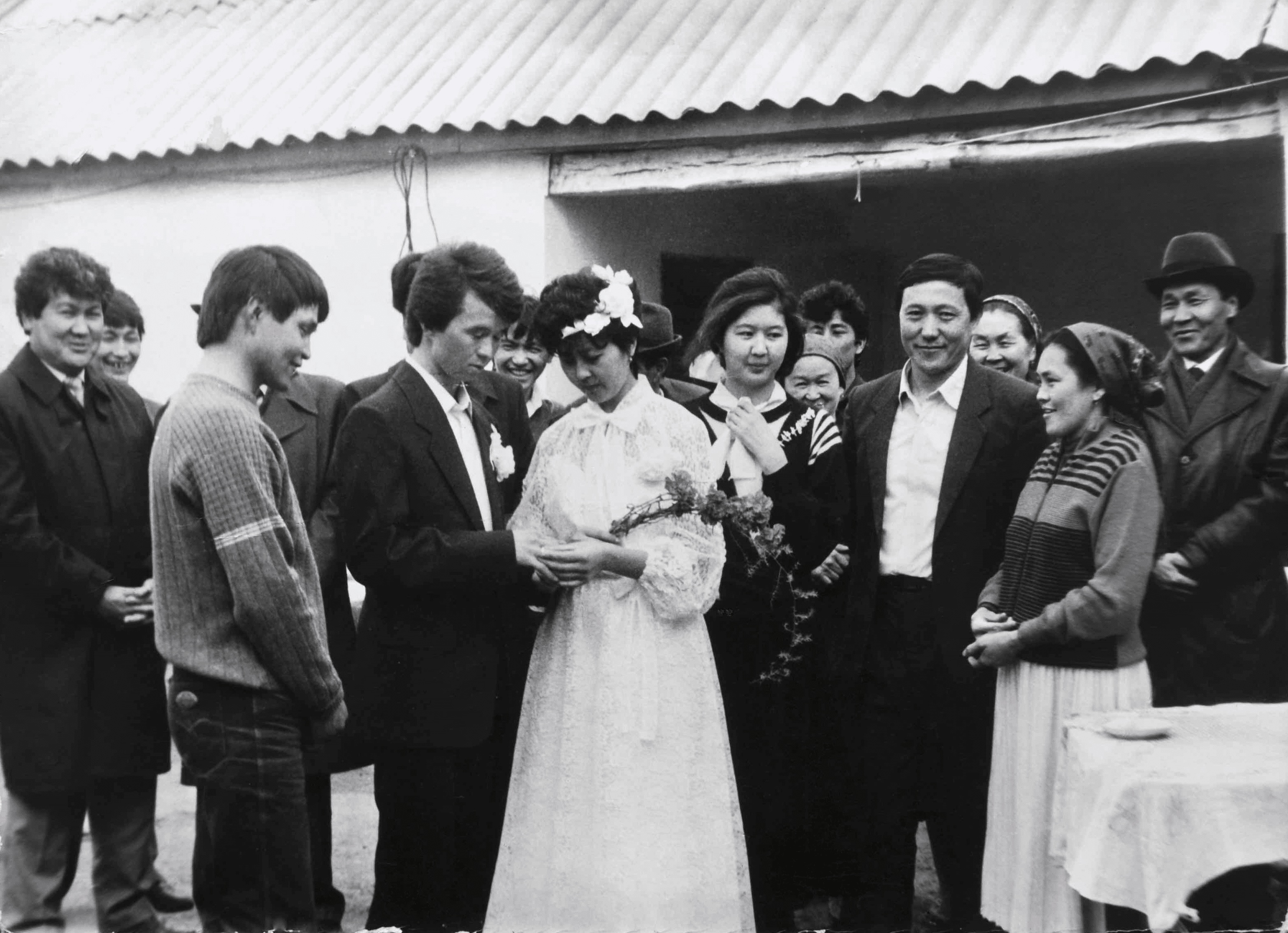
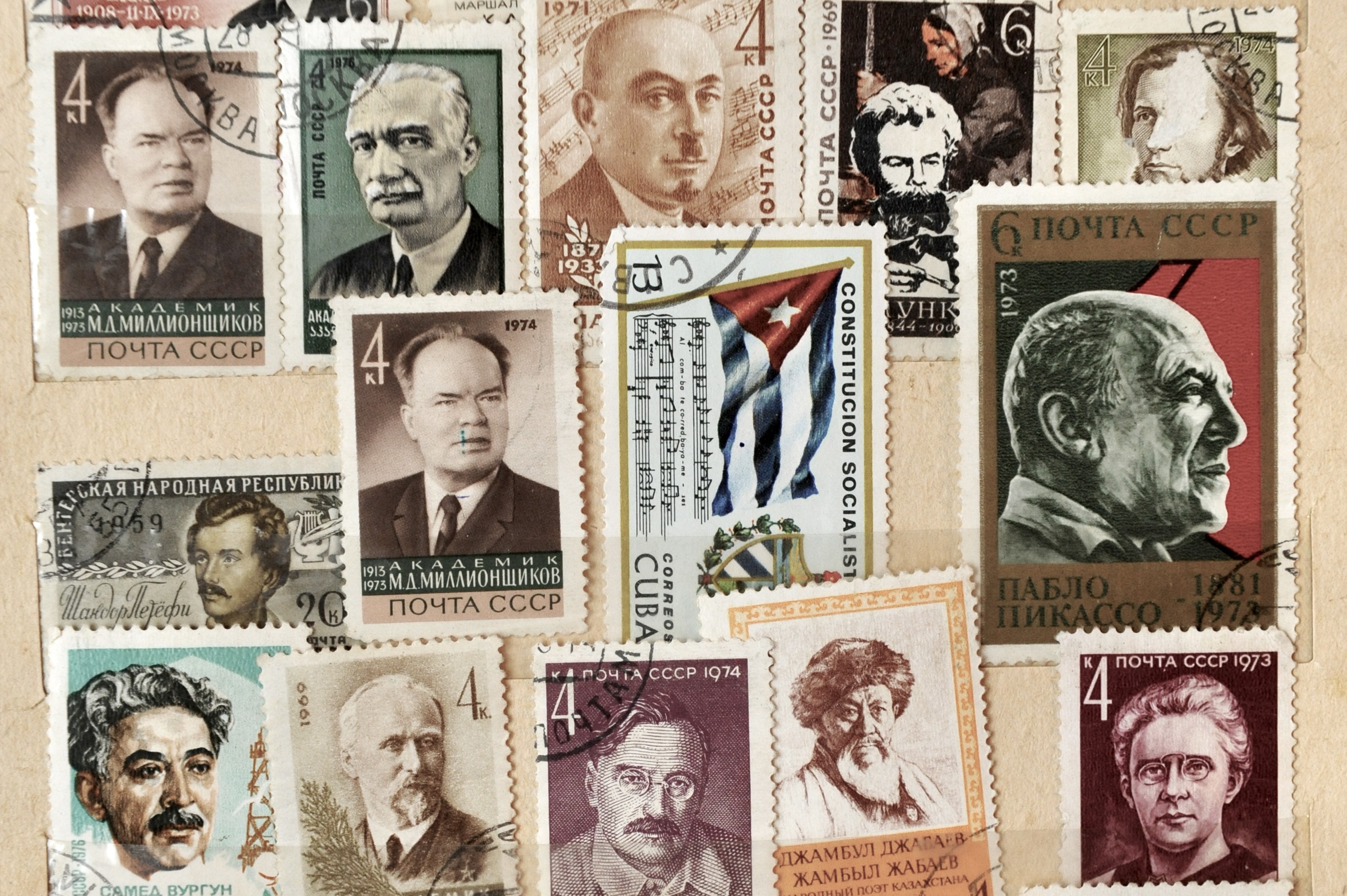
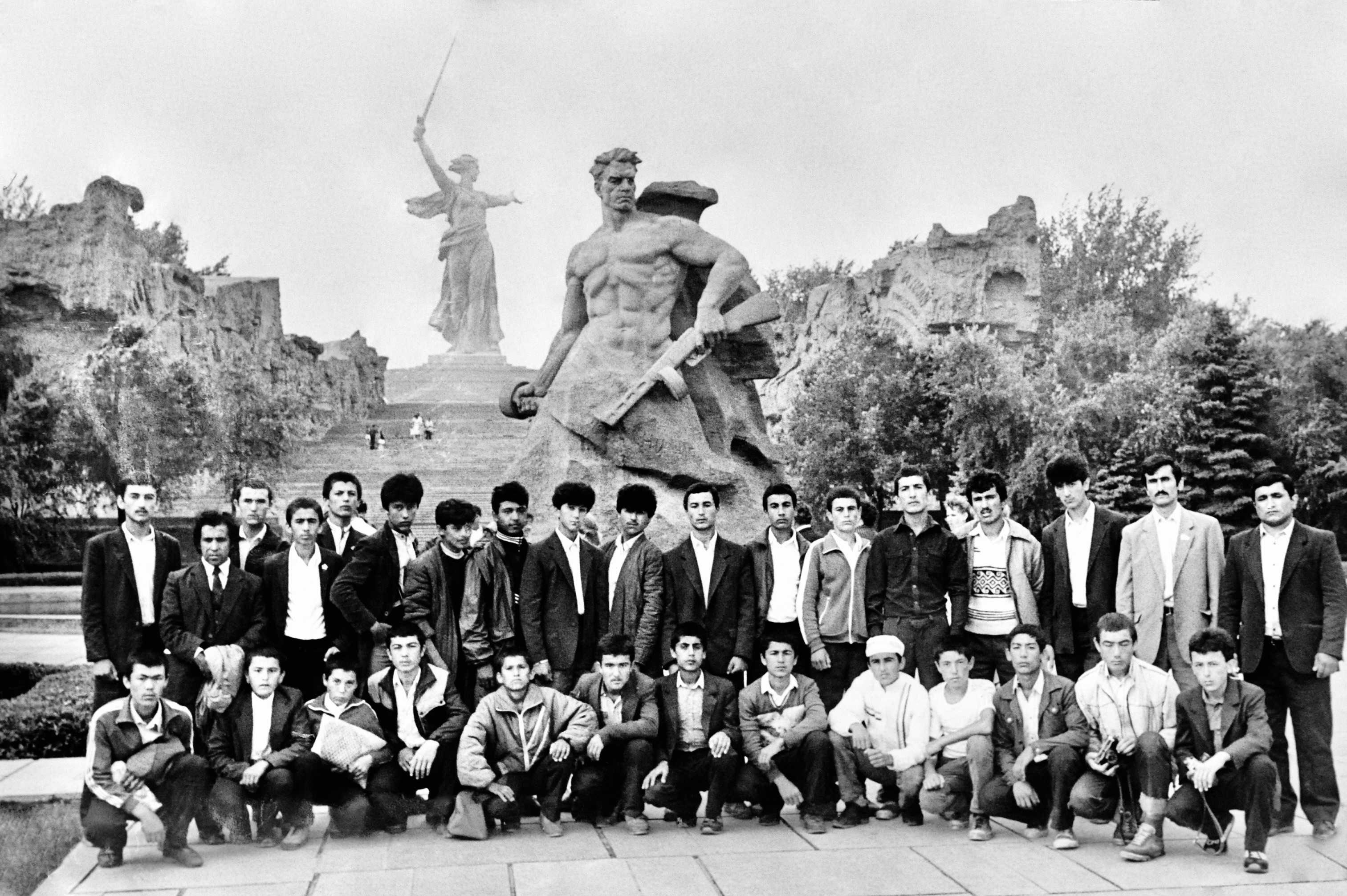
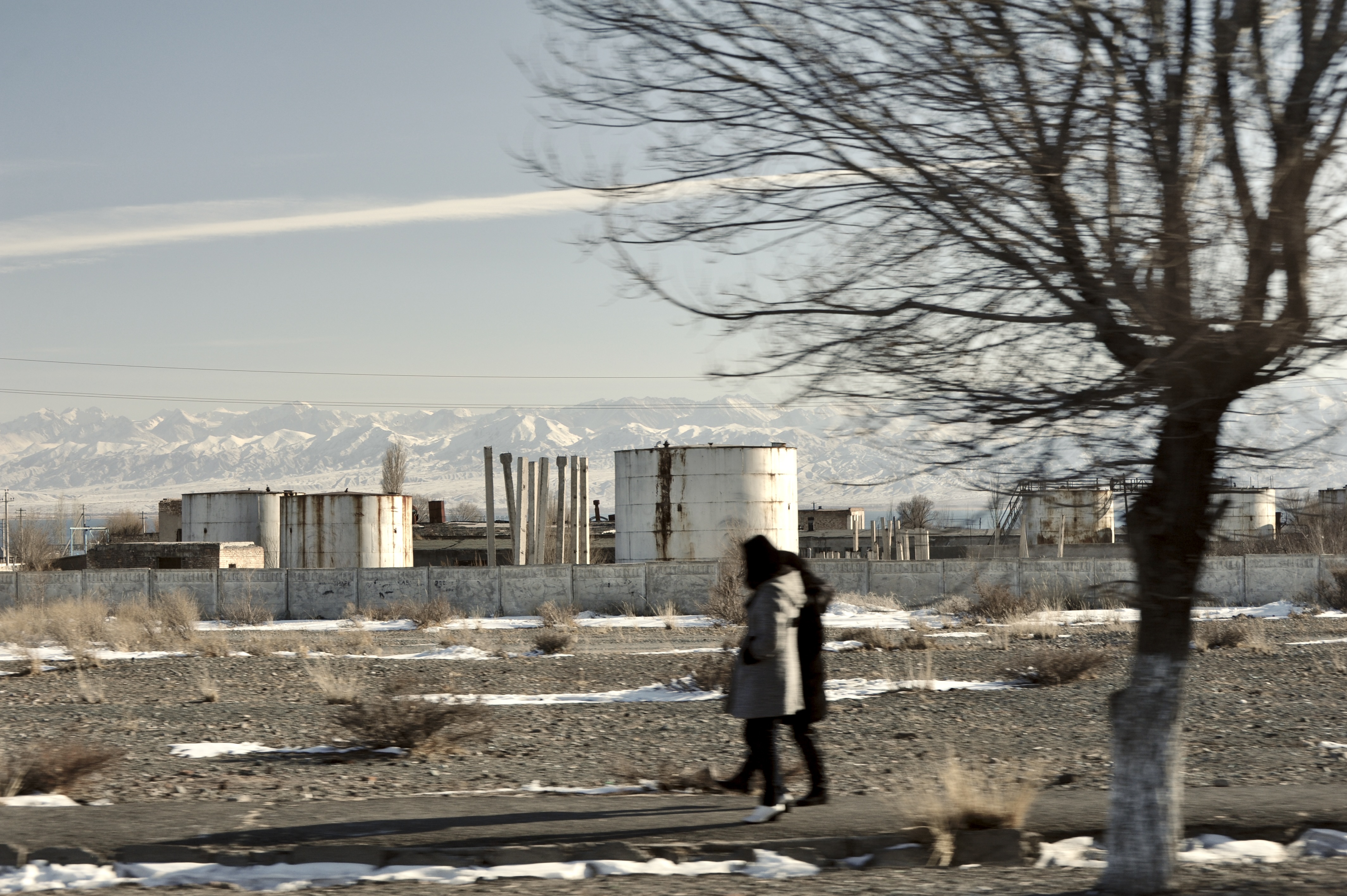
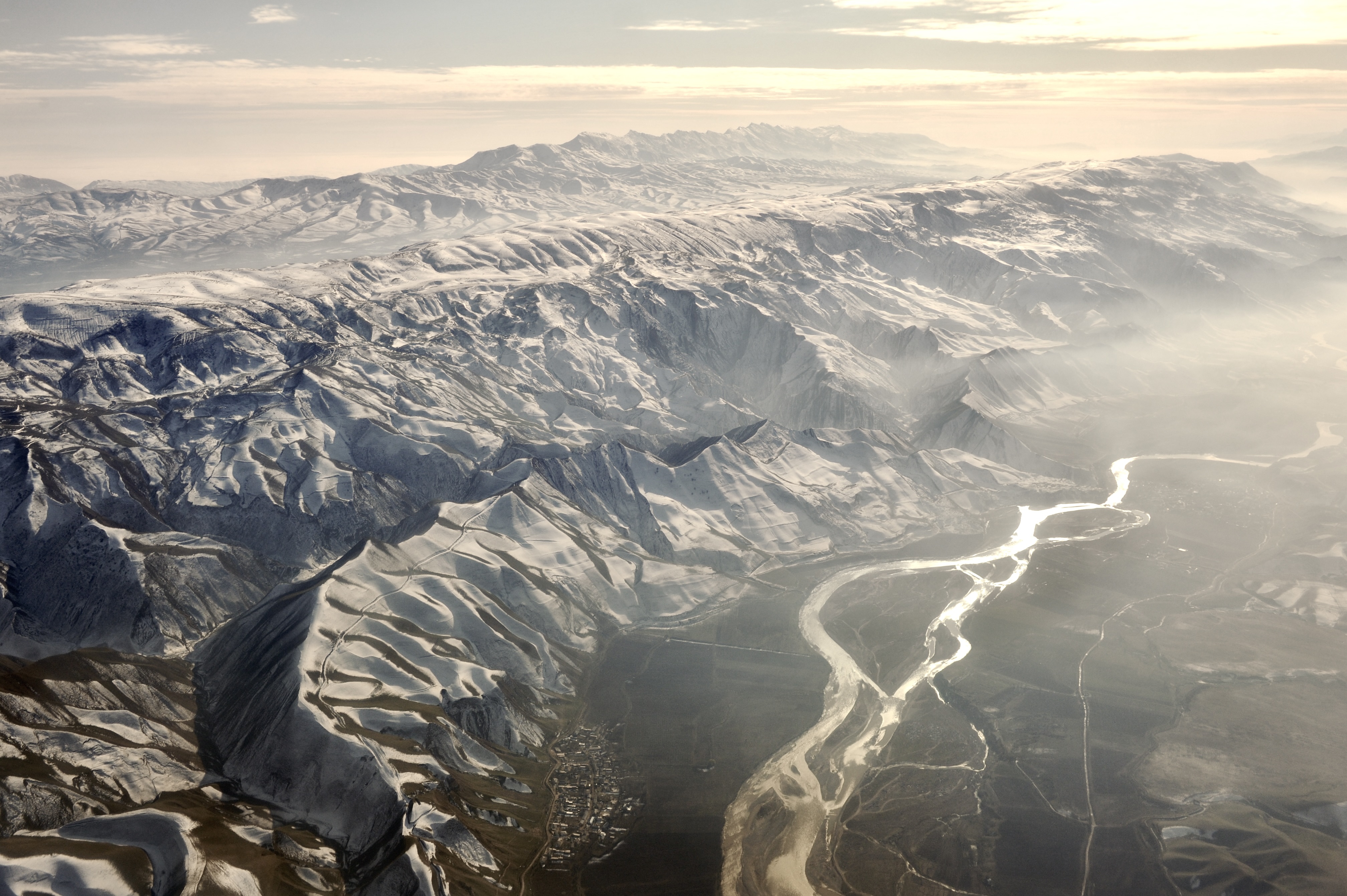
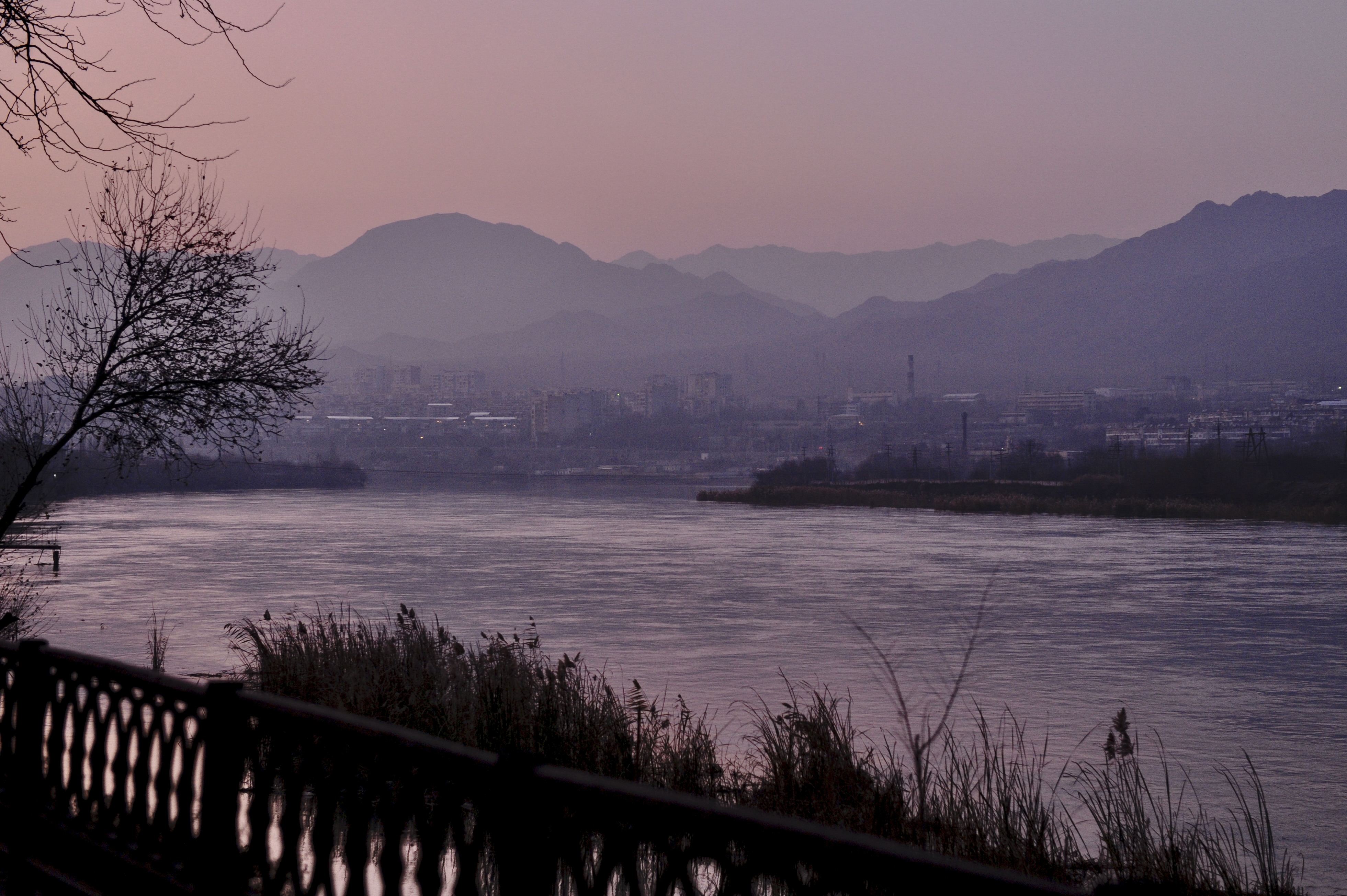
Vingt ans après la disparition de l'Union soviétique, je suis parti seul au Kirghizstan, en Ouzbékistan, au Tadjikistan et au Kazakhstan pour rencontrer celles et ceux qui avaient vécu cet effondrement. Je n'étais pas venu chercher des spécialistes ou des responsables politiques. Je voulais comprendre comment l'histoire s'était déposée dans les vies ordinaires. Que devient un ouvrier lorsque l'usine qui structurait toute son existence disparaît ? Que reste-t-il d'un pays lorsque les frontières changent du jour au lendemain ? Comment vit-on après la guerre civile, l'exil ou l'effondrement d'un monde auquel on croyait devoir appartenir pour toujours ? Pendant plusieurs mois, j'ai parcouru l'Asie centrale pour écouter celles et ceux qui avaient traversé ces bouleversements. Twenty years after the collapse of the Soviet Union, I set out alone across Kyrgyzstan, Uzbekistan, Tajikistan and Kazakhstan to meet the people who had lived through it. I wasn't looking for historians, political analysts or government officials. I wanted to understand how history had settled into ordinary lives. What becomes of a factory worker when the factory that shaped his entire existence disappears? What remains of a country when its borders change overnight? How do people rebuild their lives after civil war, exile, or the collapse of a world they believed they would belong to forever? For several months, I travelled across Central Asia, listening to those who had experienced these upheavals firsthand.
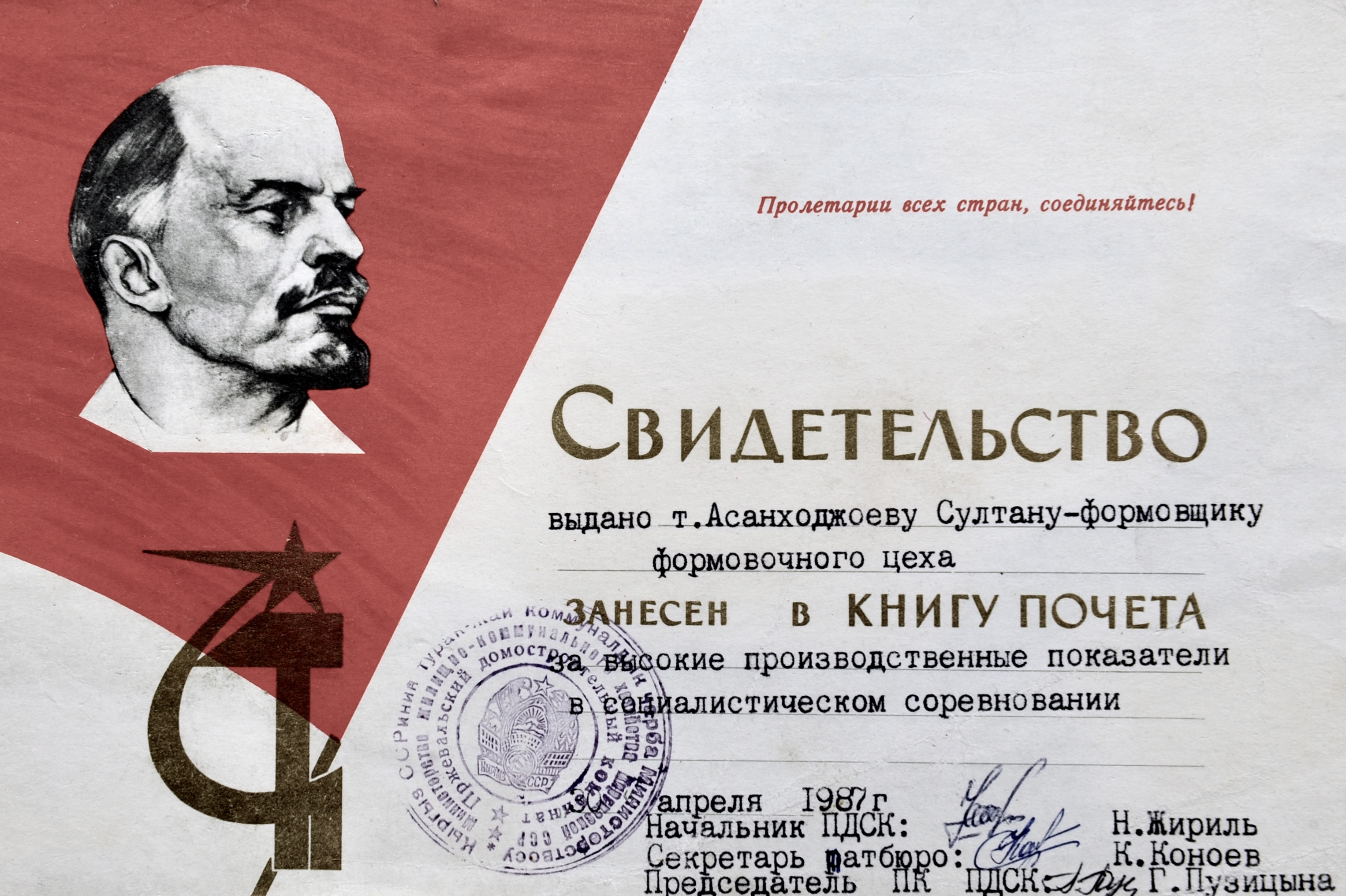
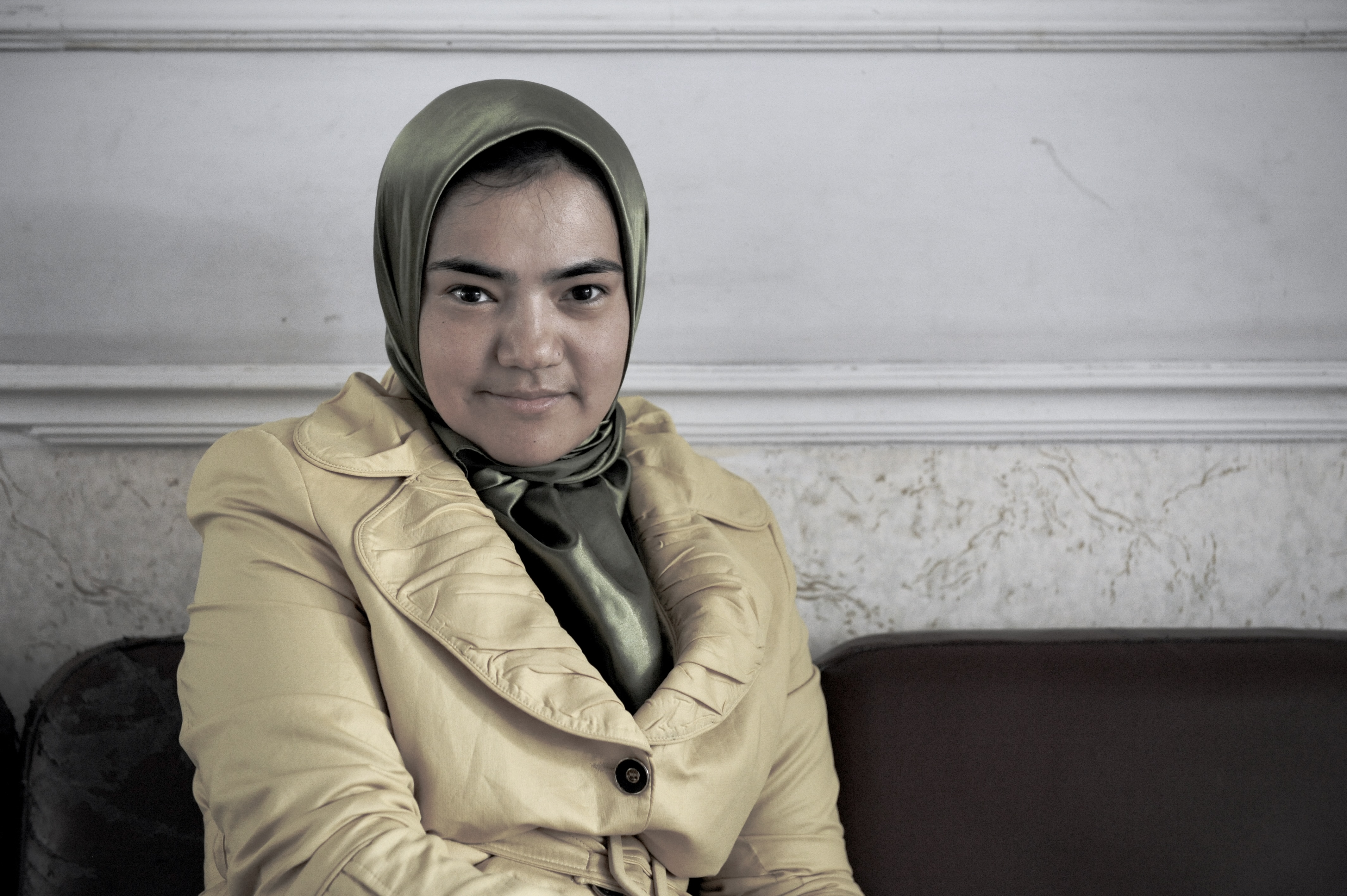
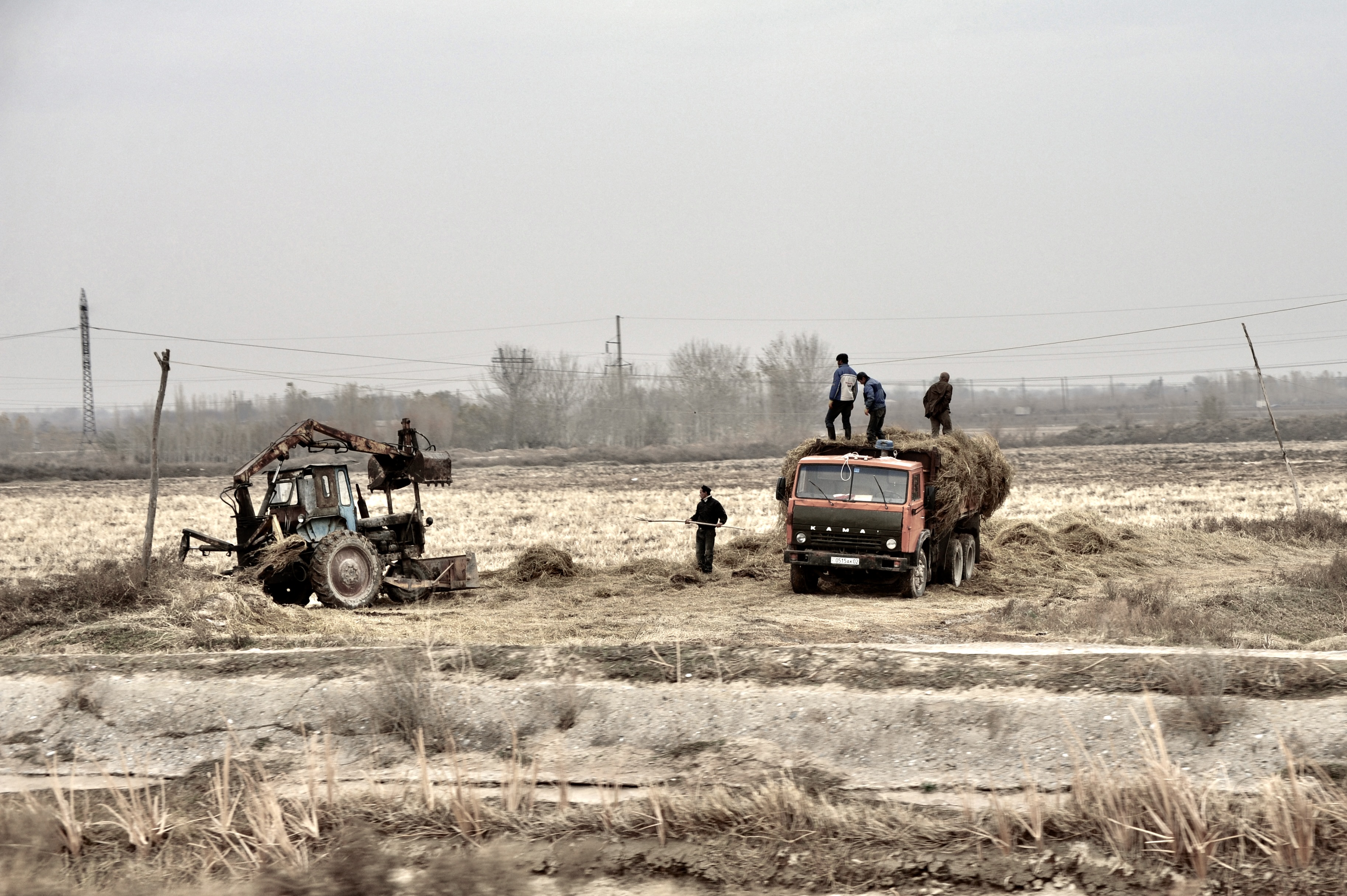
J'ai rencontré Sultan, un ancien ouvrier devenu chauffeur. Janyl, une mère kirghize partie travailler à Moscou pour payer les études de sa fille. Nigora, une réfugiée qui avait fui les violences interethniques de 2010 à Och. Farkhod, un défenseur des droits humains emprisonné en Ouzbékistan. Abdushukur, ancien ouvrier de kolkhoze devenu travailleur migrant sur les chantiers de Sibérie. Javohir, un jeune Tadjik ayant grandi dans l'ombre de la guerre civile. Azat, un étudiant turkmène contraint à l'exil par son propre gouvernement. Et bien d'autres encore. I met Sultan, a former factory worker who became a driver. Janyl, a Kyrgyz mother who left to work in Moscow to pay for her daughter's education. Nigora, a refugee who fled the interethnic violence that erupted in Osh in 2010. Farkhod, a human rights defender imprisoned in Uzbekistan. Abdushukur, a former collective farm worker who became a migrant labourer on construction sites in Siberia. Javohir, a young Tajik who grew up in the shadow of civil war. Azat, a Turkmen student forced into exile by his own government. And many others.
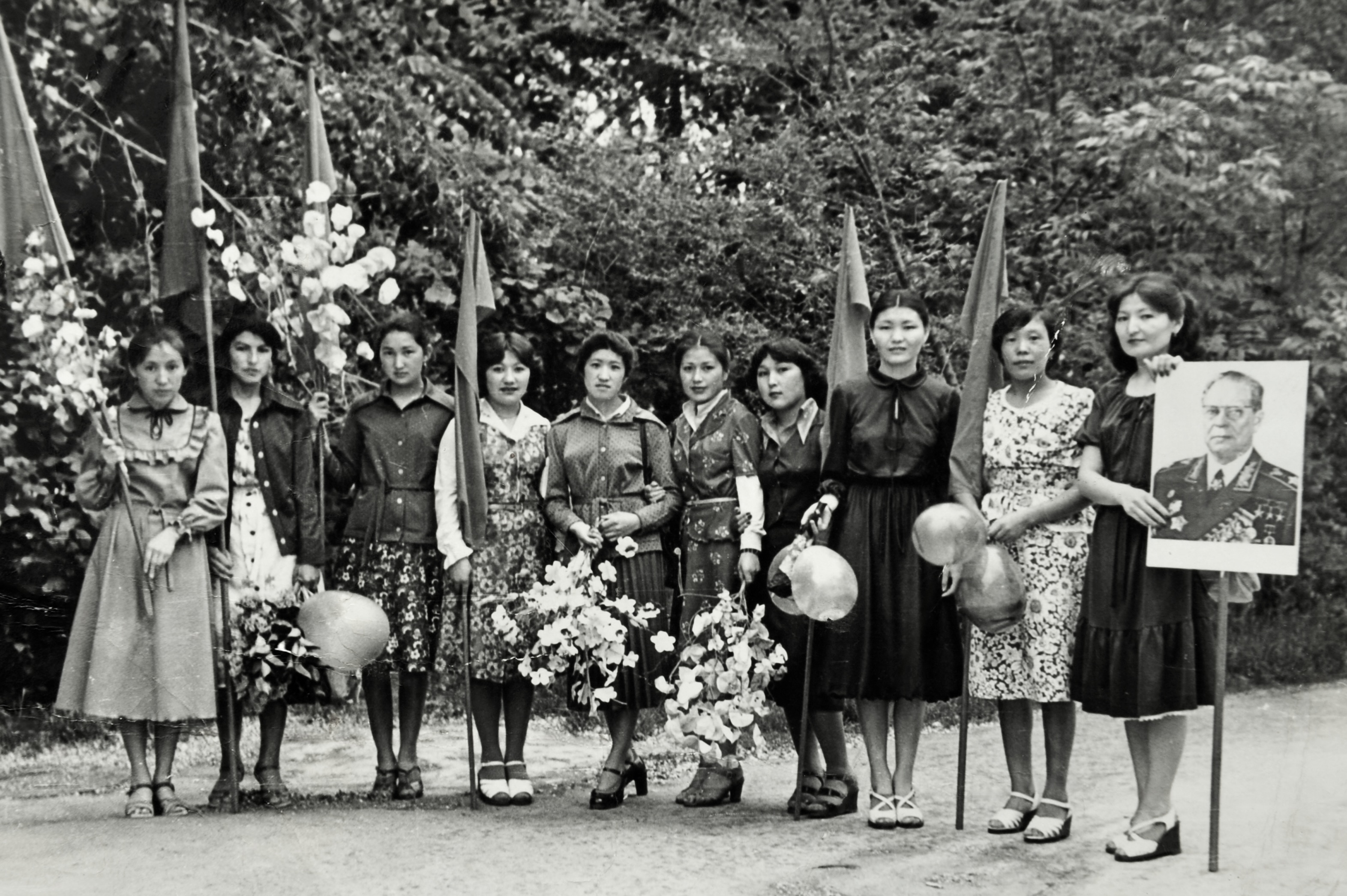
Leurs récits ne racontent pas tous la même histoire. Certains se souviennent de l'Union soviétique avec nostalgie. D'autres n'y voient qu'un système de contraintes et de silences. Beaucoup portent ces deux regards à la fois. C'est dans cette diversité de voix que se dessine le portrait d'une région confrontée à la disparition d'un pays, à l'apparition de nouvelles frontières et à la nécessité de réinventer sa place dans le monde. Their stories do not all tell the same history. Some remember the Soviet Union with nostalgia. Others see it only as a system of repression and silence. Many hold both views at once. Together, these voices form the portrait of a region confronted with the disappearance of a country, the emergence of new borders, and the need to redefine its place in the world.
Manuscrit achevé en 2026 et actuellement en cours de soumission auprès de maisons d'édition. Completed in 2026, the manuscript is currently under submission to publishing houses.
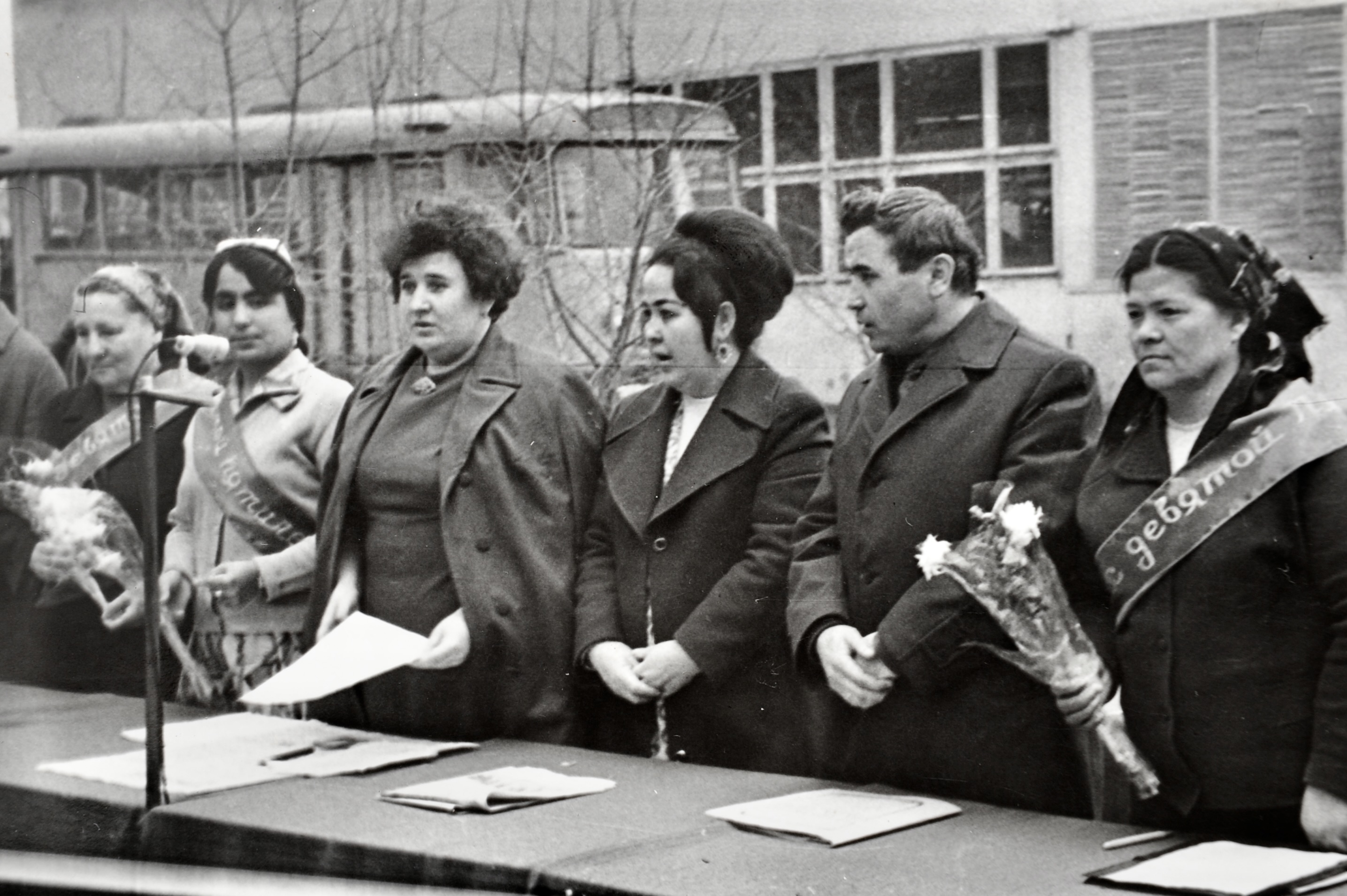
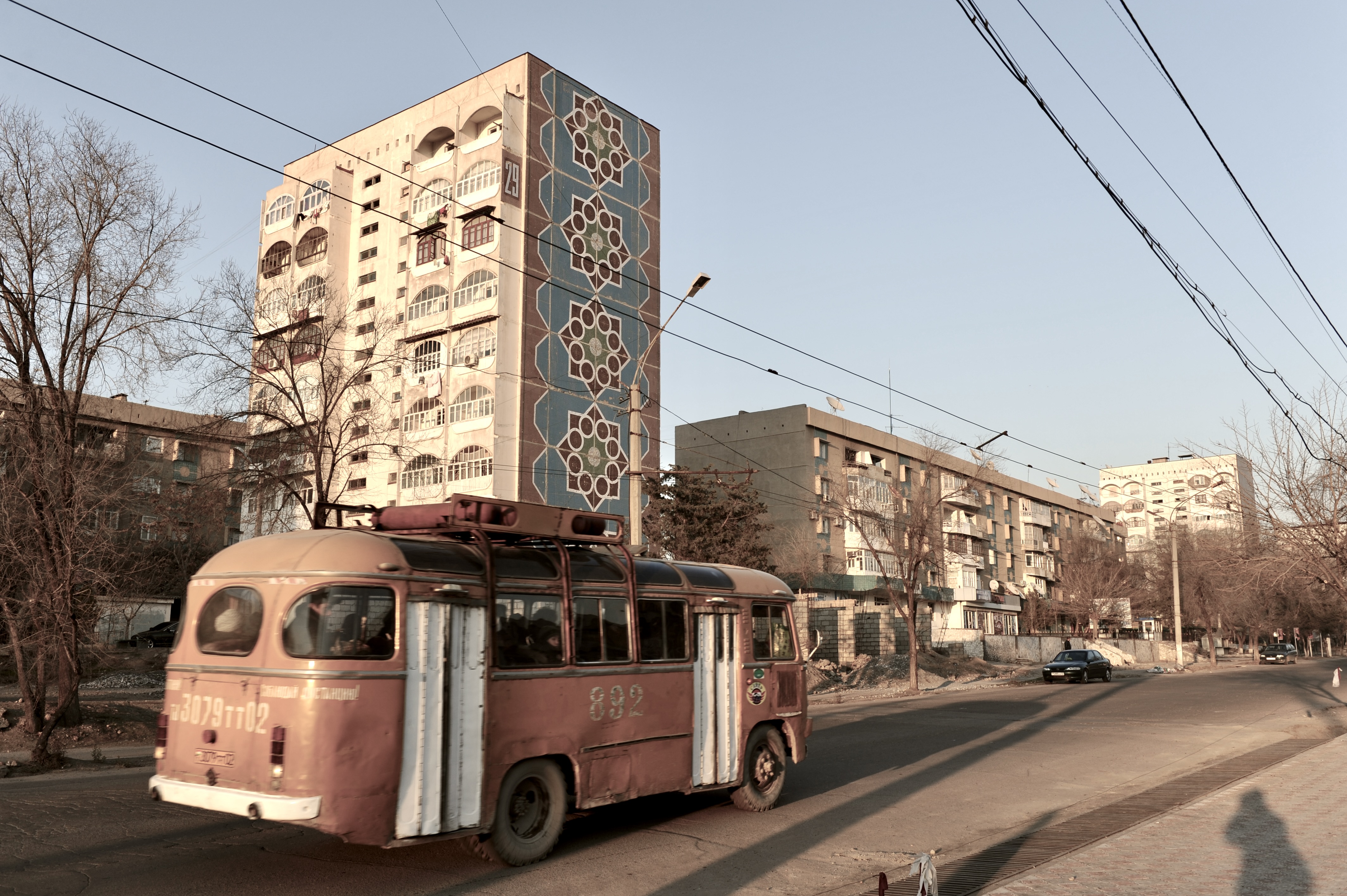
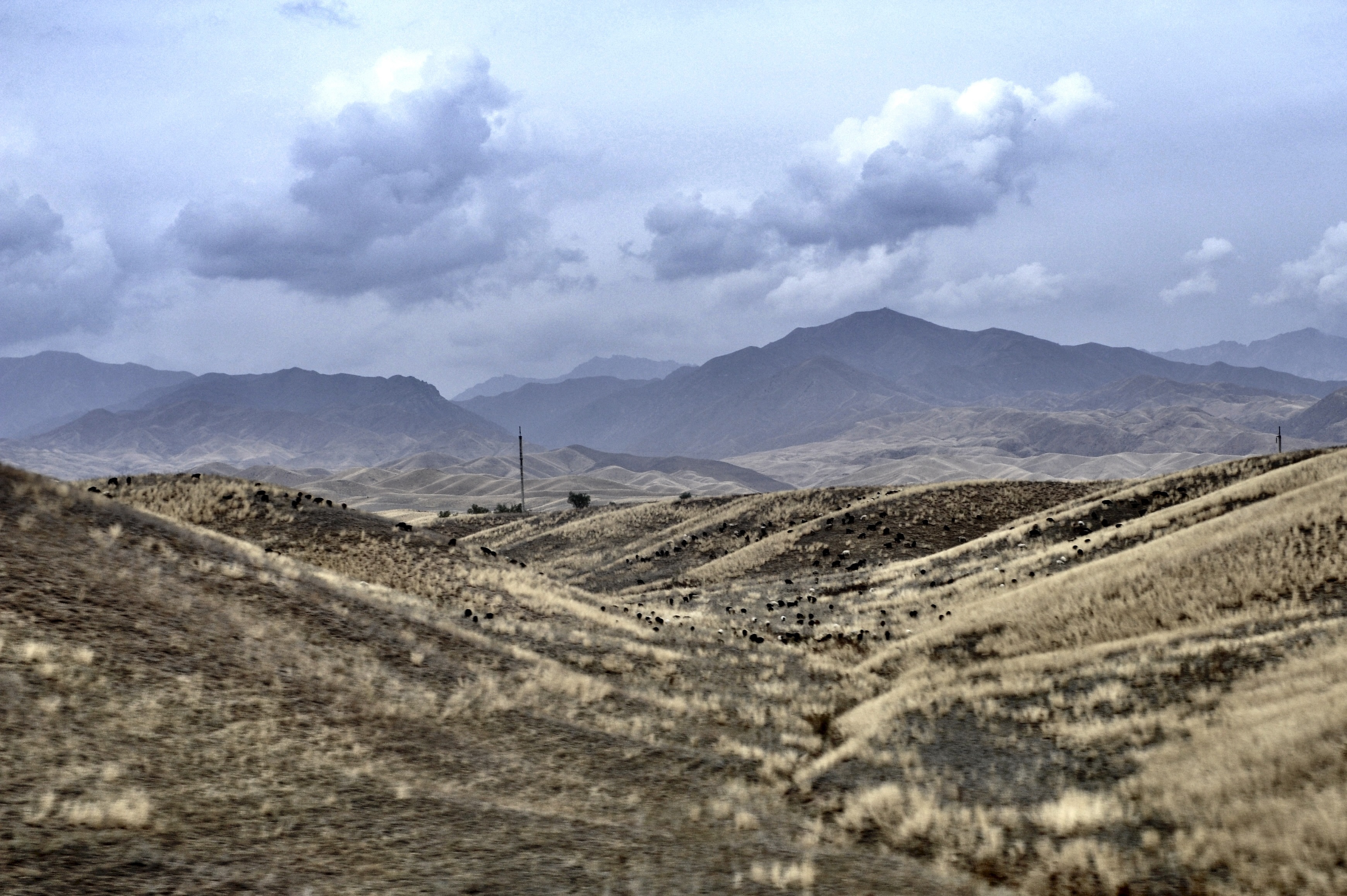
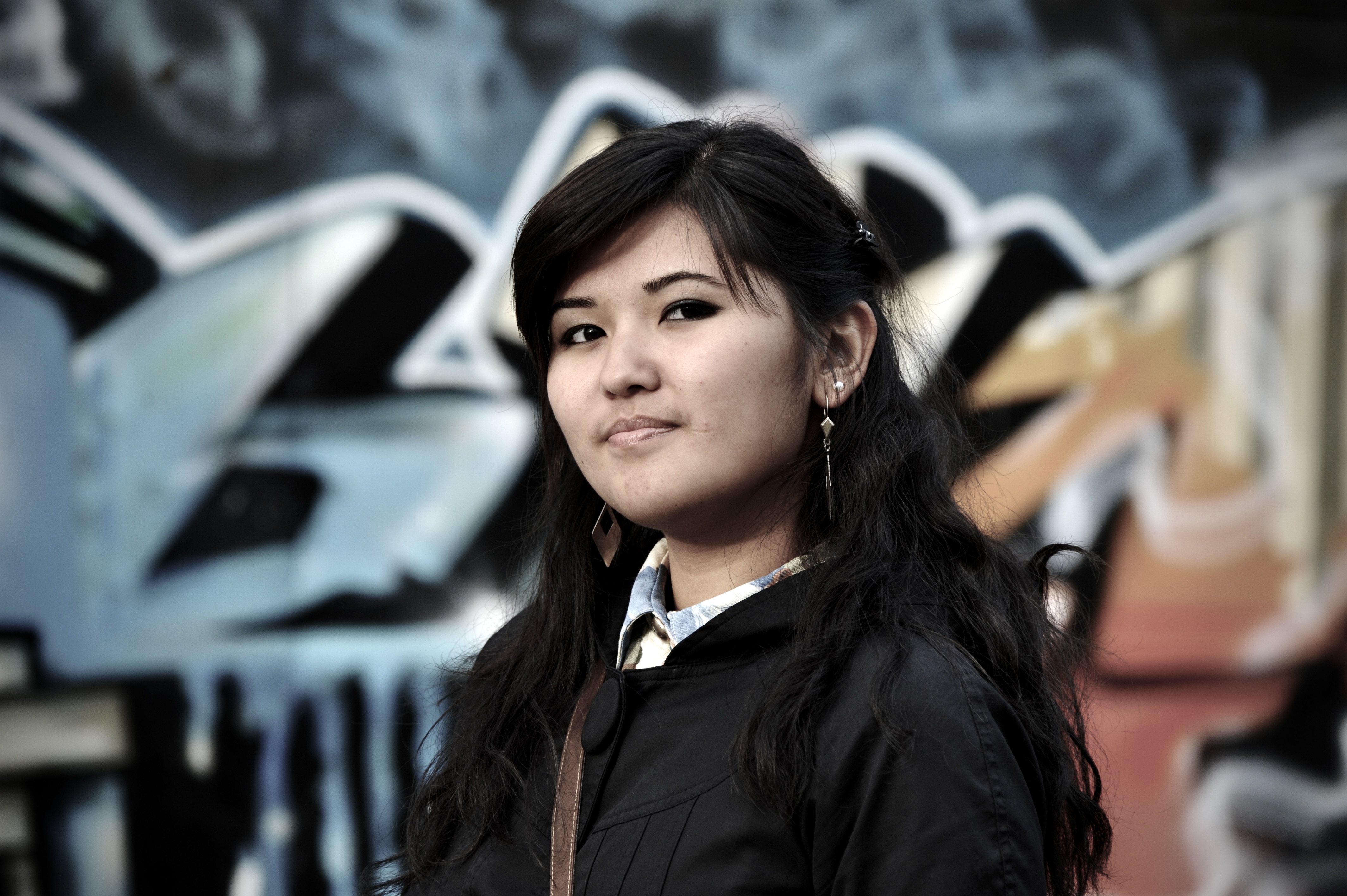
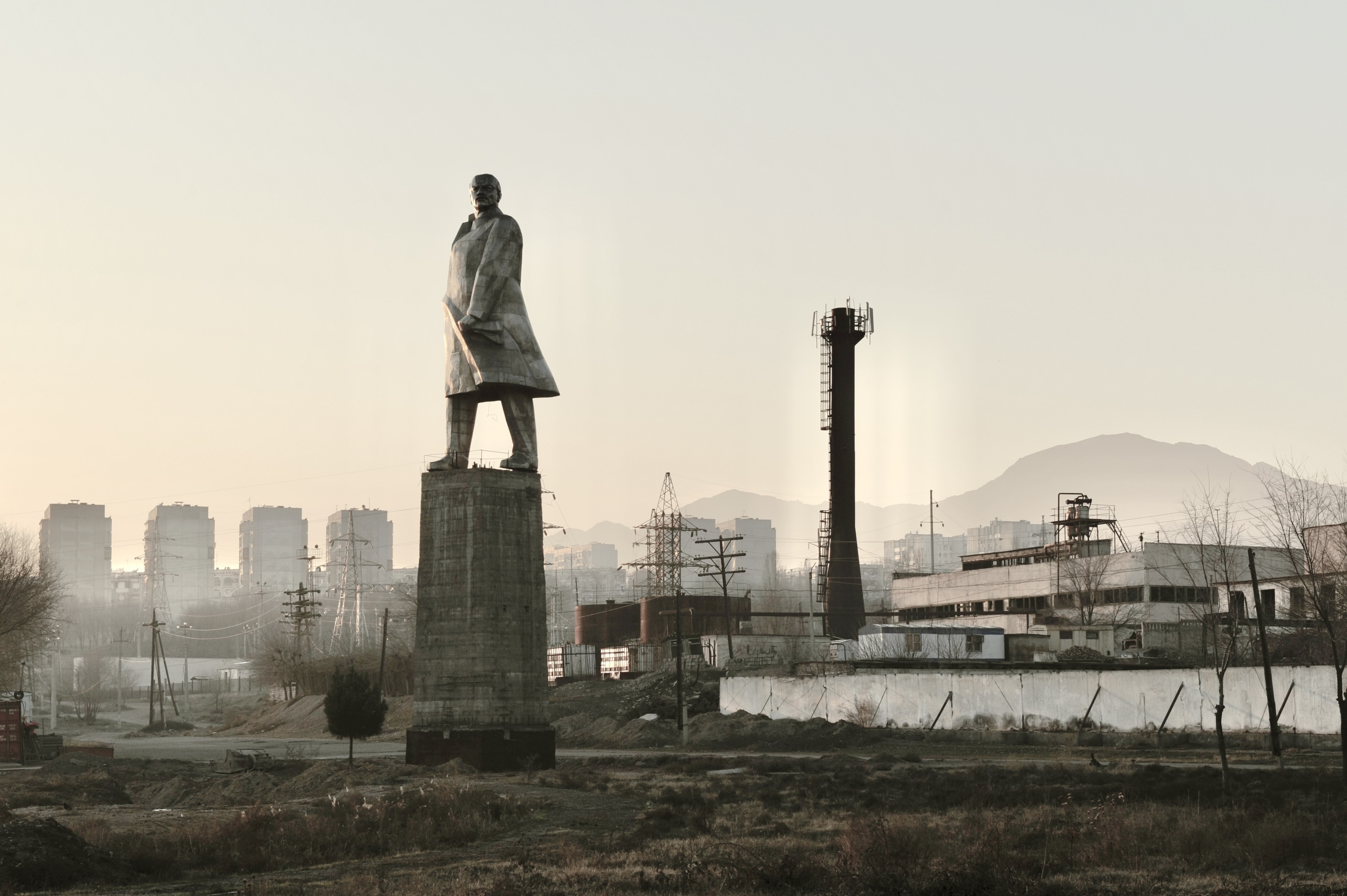
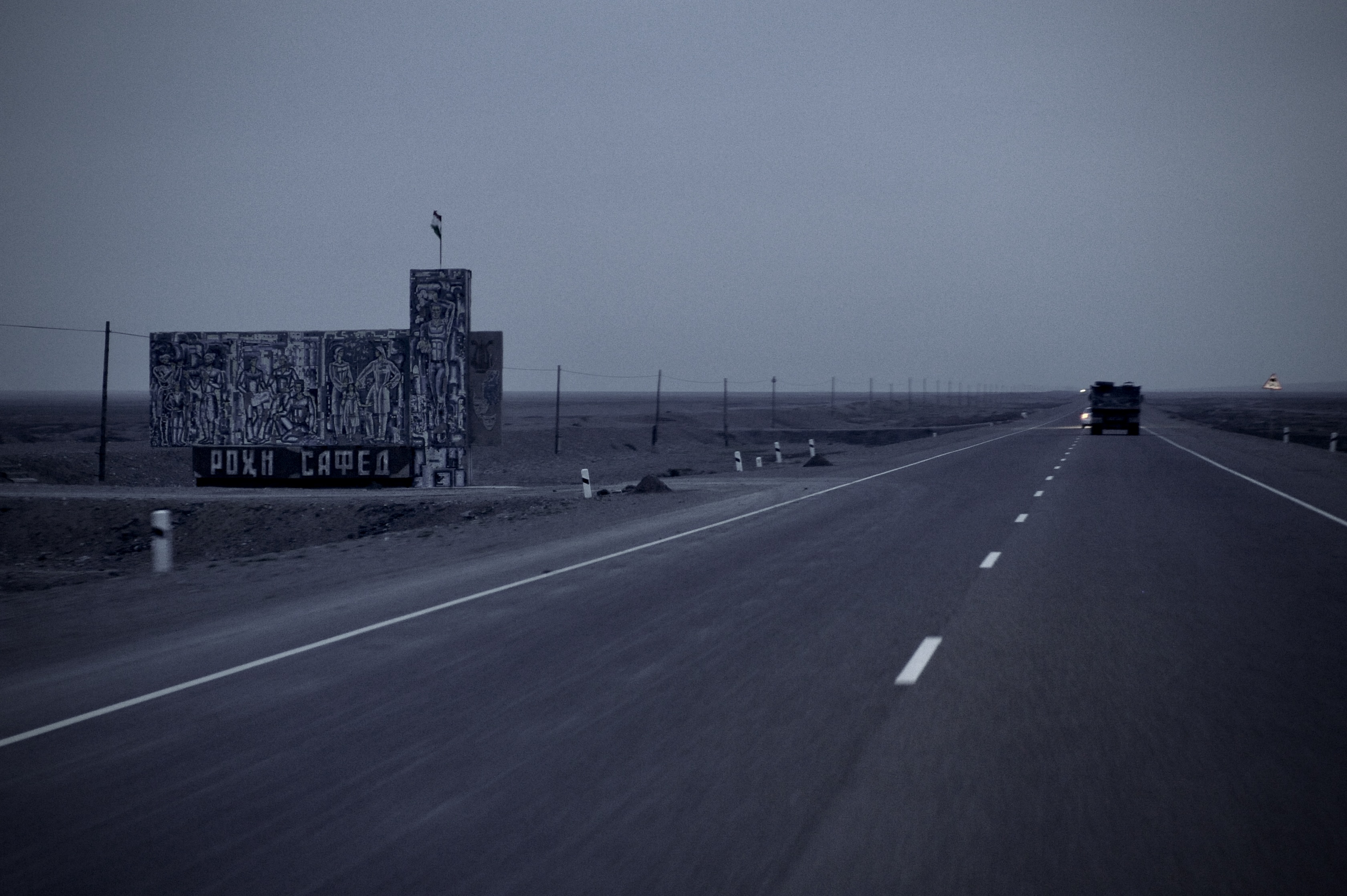
Toutes les photographies sur cette page ont été prises au cours du voyage en 2011 et 2012. All photographs on this page were taken during the journey in 2011 and 2012.
Extrait Excerpt
Dans la petite salle de bain, la baignoire est toujours pleine. Natalia continue de la remplir même maintenant que l'eau coule au robinet. Comme si elle pouvait manquer à nouveau. The bathtub in the tiny bathroom is always full. Natalia still keeps it filled, even now that water runs from the tap again. As if it might disappear once more.
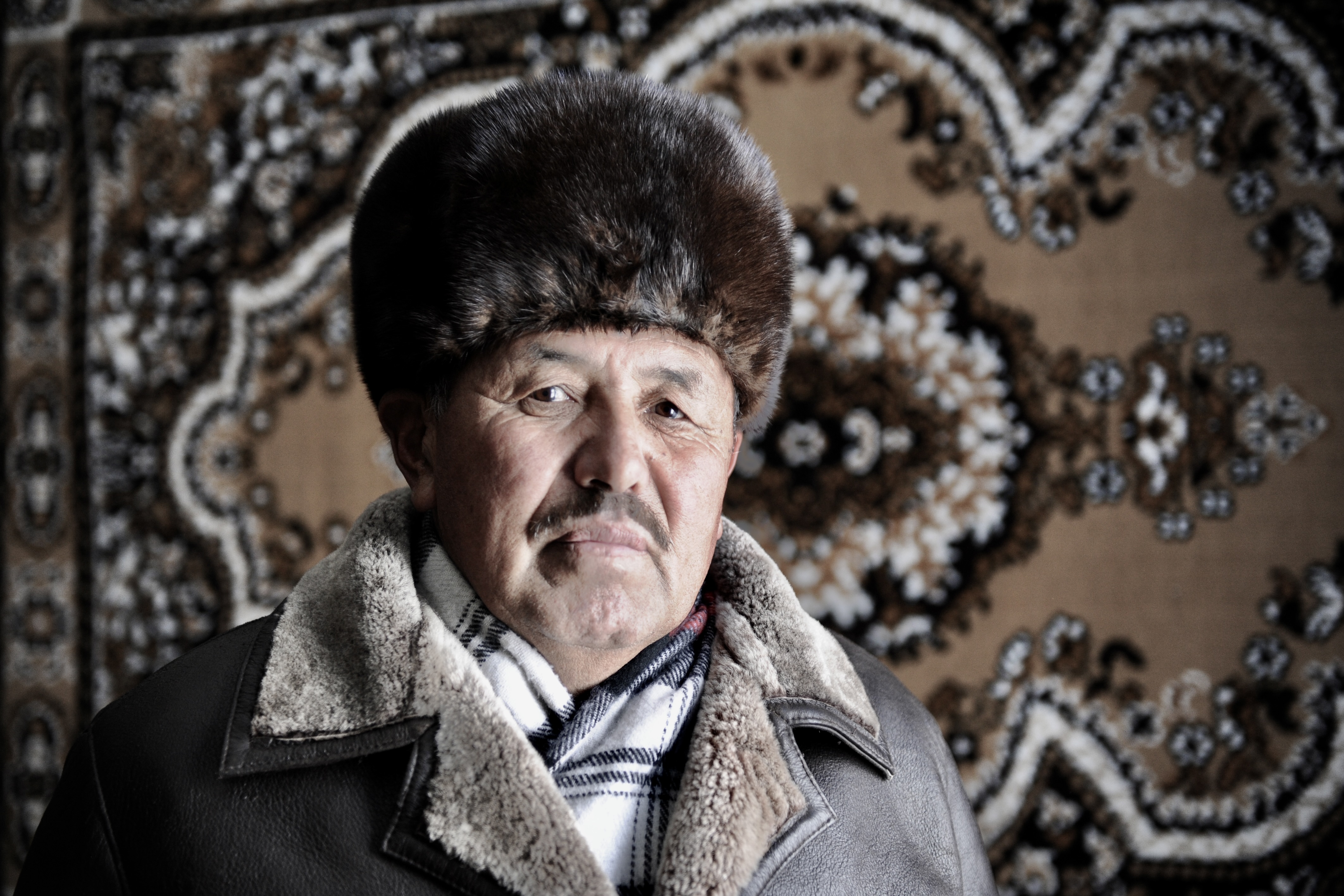
Âgée de soixante-quatorze ans, Natalia est une Russe du Tadjikistan. Bien qu'à la retraite, elle travaille encore comme infirmière dans un dispensaire de Douchanbé. Elle vit avec sa fille et son petit-fils Sacha dans le micro-raïon 46, au quatrième étage d'un immeuble construit à l'époque soviétique. Seventy-four years old, Natalia is an ethnic Russian from Tajikistan. Although retired, she still works as a nurse at a local clinic in Dushanbe. She lives with her daughter and her grandson, Sasha, on the fourth floor of an apartment block built during the Soviet era, in Microraion 46.
Le salon, dont deux murs sont recouverts de grands tapis, est la seule pièce chauffée de l'appartement. La porte reste fermée pour conserver la chaleur. Dans un coin, une petite télévision diffuse en continu des émissions russes. The living room, where two walls are covered with large carpets, is the only heated room in the apartment. The door is kept closed to preserve the warmth. In one corner, a small television plays Russian programmes continuously.
Natalia est installée dans un large fauteuil face à un petit radiateur électrique d'appoint. Elle porte une longue robe d'intérieur verte à motifs floraux rouges, jaunes et violets, enfilée sur un épais pull blanc. Des chaussons rouges complètent sa tenue. Natalia sits in a large armchair in front of a small electric space heater. She wears a long green house dress patterned with red, yellow and purple flowers over a thick white sweater. Red slippers complete her outfit.
La nostalgie affleure rapidement dans la conversation. Quand elle évoque l'URSS, Natalia termine souvent ses phrases par un « Oï ! Oï ! Oï ! » de regret, en hochant la tête. Nostalgia quickly surfaces in the conversation. Whenever she speaks about the Soviet Union, Natalia often ends her sentences with a mournful « Oy! Oy! Oy! », shaking her head.
— Quand on a emménagé dans cet appartement, tout fonctionnait, raconte-t-elle. Mais après l'effondrement de l'Union soviétique, tout est devenu beaucoup plus dur. Il y a eu les coupures d'électricité et de gaz. Les radiateurs sont restés froids. On gelait. Parfois, l'électricité disparaissait pendant cinq jours d'affilée. C'était difficile mais on a fini par s'y habituer. « When we moved into this apartment, everything worked," she says. "But after the Soviet Union disappeared, life became much harder. The electricity and gas were cut off. The radiators stayed cold. We were freezing. Sometimes the electricity would be gone for five days in a row. It was difficult, but eventually we got used to it. »
À une époque, l'eau ne montait plus jusqu'au quatrième étage. On en a énormément souffert pendant trois ou quatre ans. Il fallait aller la chercher au robinet de la cour et la transporter dans des seaux. Aujourd'hui, grâce à Dieu, l'eau coule de nouveau. Il n'y a toujours pas d'eau chaude, les radiateurs restent froids, mais enfin… il y a la lumière, le gaz et l'eau. On espère que la situation continuera de s'améliorer. Mais je continue à remplir la baignoire. « For a time, water no longer reached the fourth floor. We suffered terribly for three or four years. We had to fetch it from the tap in the courtyard and carry it upstairs in buckets. Today, thank God, the water is running again. We still don't have hot water, and the radiators are still cold, but at least we have electricity, gas and water. We hope things will continue to improve. But I still keep the bathtub full. »